OSB
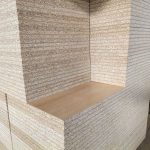
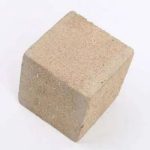
OSB
Size (mm): 1220x2440mm.
Thickness (mm): 6-25mm
Material: Poplar, Pine, Combi, Hardwood
Glue: Melamine,MR,WBP, E2, E1
- Description
- Inquiry
Description
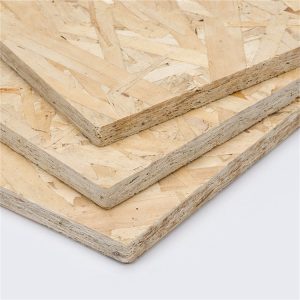
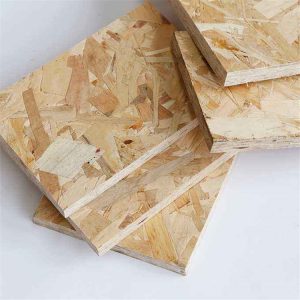
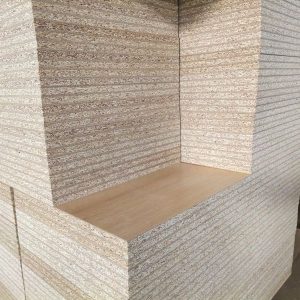
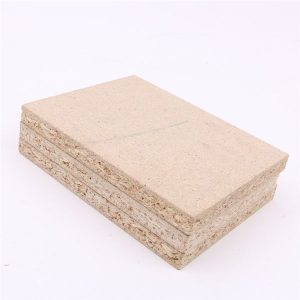
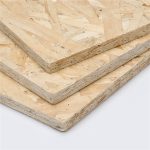
OSB(Oriented Strand Board) are sterling board or flakeboard. This engineered wood is made from compressing flakes with adhesives. It derive from trees which are fast growing and possess a narrow diameter.
Oriented Strand Board is a versatile and versatile structural wood panel. Manufactured from waterproof heat-cured adhesives and rectangularly shaped wood strands that are arranged in cross-oriented layers, it is an engineered wood panel that shares many of the strength and performance characteristics of plywood. OSB’s combination of wood and adhesives creates a strong, dimensionally stable panel that resists deflection, delamination, and warping; likewise, panels resist racking and shape distortion when subjected to demanding wind and seismic conditions. Relative to their strength, OSB panels are light in weight and easy to handle and install.
Advantages of Oriented Strand Board
- When it comes to price, It is less costly than plywood.
- Not only denser than plywood but also stronger.
- Can produce in larger panels compared to plywood.
- OSB can customize to suit the buyer.
- Has nail lines which assist greatly in installation.
Disadvantages of Oriented Strand Board
- When OSB has unprotected edges, it may swell up once exposed to moisture. This happens when cuts make exposing new unprotected areas.
- The adhesives used in production of the material may emit formaldehyde. Fortunately, it is possible to find manufacturers who produce formaldehyde free materials.
- It can be difficult to paint but can still be done. For this exercise, use oil-based paint.
- Once exposed to moisture, plywood expands evenly and dries faster. This is very unlikely when it comes to OSB as it will take ages to dry.
- It is heavier than plywood, this reducing its workability.